BLOG
Choosing Insulation for Homes in Brisbane and Logan
Why Ceiling Insulation Matters Most in Queensland Homes
In Brisbane and Logan, the roof space is usually the largest source of heat entering the home. Roof temperatures during summer can become significantly hotter than the outside air, especially on dark coloured metal roofing. Without effective ceiling insulation, this heat transfers directly into living areas below.
Bulk insulation products such as glasswool and polyester batts are commonly installed between ceiling joists to reduce heat movement. The effectiveness of these products is measured using R-values. Higher R-values provide greater resistance to heat flow, but roof ventilation and installation quality also affect performance.
Ceiling insulation should sit evenly without compression or gaps. Recessed lighting, ducting, and poorly fitted batts often create open areas where heat can bypass insulation layers. In older Brisbane homes, uneven insulation coverage is one of the most common reasons rooms still feel hot despite previous insulation work.
Queensland homes with ducted air conditioning also benefit from properly insulated ceiling cavities because cooled air remains inside the home longer, reducing system workload during extended hot weather.
Wall Insulation Performs Differently in Brick and Lightweight Homes
Wall insulation is often overlooked in existing homes because it is more difficult to access than ceiling spaces. However, wall insulation can noticeably improve indoor comfort, especially in homes exposed to direct western sunlight during the afternoon.
Lightweight cladded homes common throughout Logan and newer Brisbane estates tend to transfer heat more quickly than double brick construction. Installing insulation inside external wall cavities helps reduce this heat movement while also improving acoustic separation between rooms.
Different wall systems require different insulation materials. Flexible batts are commonly used in timber framed walls, while rigid board insulation may be installed in some newer construction methods. Moisture management also becomes important in wall cavities because trapped condensation can affect timber framing over time.
For homes near coastal parts of South East Queensland, salt laden air and humidity levels can place additional stress on building materials. Insulation products installed in these areas should allow appropriate airflow while still maintaining thermal performance.
Sarking Helps Control Heat and Moisture Beneath Roof Sheeting
Sarking is commonly installed beneath metal roofing and acts as a reflective barrier against radiant heat. In Queensland conditions, reflective foil laminates can help reduce roof space temperatures by reflecting heat away from the building structure.
Sarking also assists with moisture control during heavy rain and humid weather. Condensation forming beneath metal roofing can drip into roof cavities if no protective barrier is installed. This becomes more noticeable during cooler overnight temperatures followed by humid mornings.
Modern building standards in many cases now require sarking for new roof installations, particularly under metal roofs. The placement and tension of the material affect how effectively it drains moisture and maintains airflow beneath roof sheeting.
In storm prone regions across Brisbane and Logan, sarking can also provide a secondary protective layer against wind driven rain entering beneath roof materials.
Insulation Products Need to Match Roof Design and Ventilation
Not all roof spaces are suitable for the same insulation system. Low pitch roofs, cathedral ceilings, and older properties with limited airflow require careful product selection to avoid trapping excess heat or moisture.
Homes with poor roof ventilation may experience higher roof cavity temperatures even when insulation is installed correctly. Ventilation systems such as roof vents, eave vents, and ridge ventilation help remove accumulated hot air from the roof space.
Downlights and electrical fittings also affect insulation installation requirements. Some older halogen downlights cannot safely be covered by insulation due to heat build up risks. Modern LED fittings generally create fewer restrictions, although clearance requirements still apply.
Properties with solar panels may also experience different roof cavity temperatures depending on panel placement and airflow beneath the panels. This can affect long term roof space conditions during summer.
DISCOVER WHAT OUR CUSTOMERS HAVE TO SAY ABOUT US
REVIEWS
REVIEW US ON GOOGLE
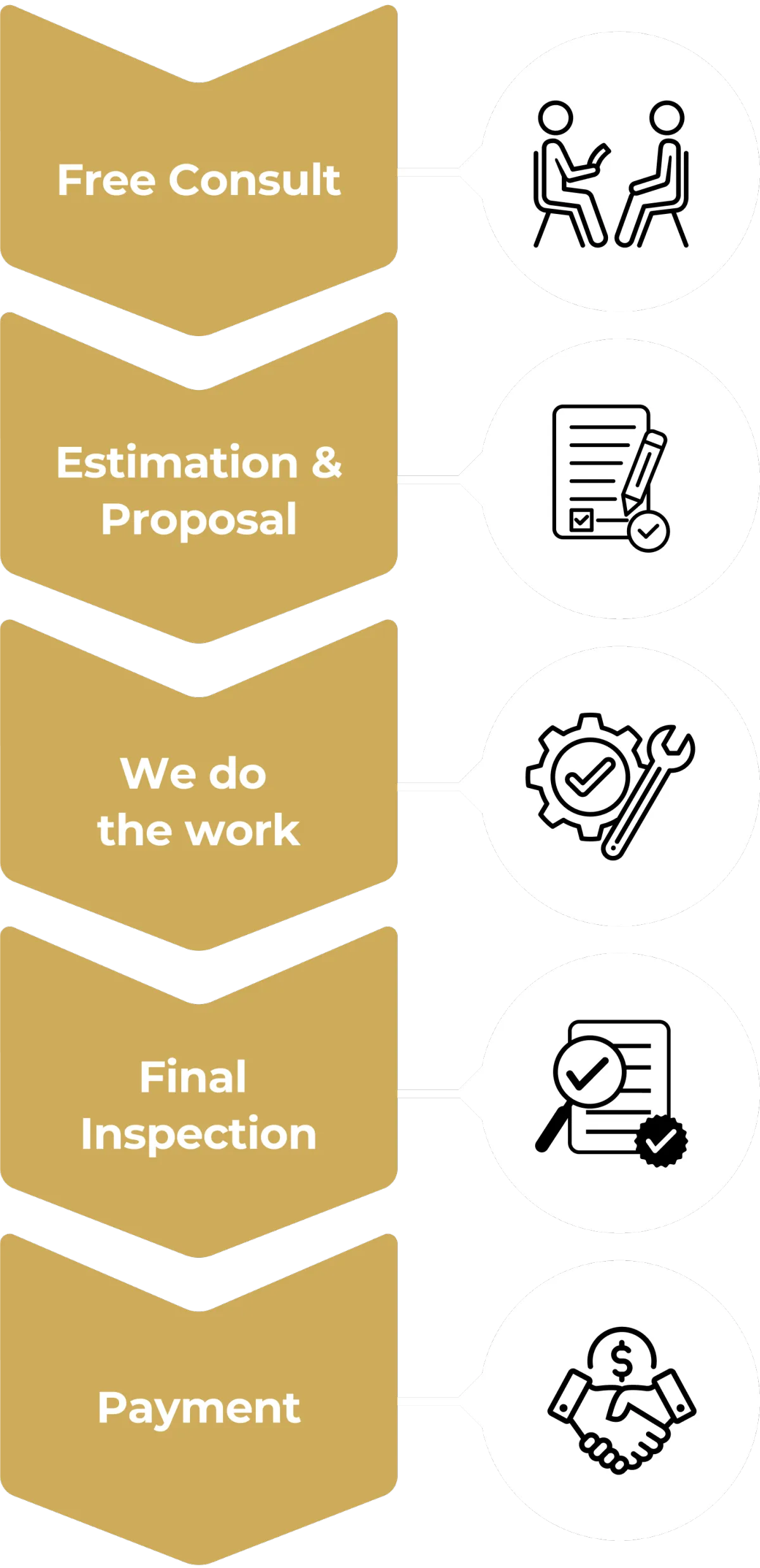
our process
Our process is simple and only contains a few simple steps

proudly serving these areas
Northern NSW
Gold Coast
Ipswich
Brisbane
Logan
READY TO take the next step?
get a free quote TODAY!