
BLOG
From Roofing to Insulation Services Across South East Queensland
Roof Design Directly Affects Insulation Performance
Different roof structures create different insulation challenges. Metal roofs, tiled roofs, cathedral ceilings, and low pitch roof spaces all behave differently during Queensland summers.
Metal roofing commonly found across South East Queensland can generate extremely high roof cavity temperatures during prolonged heat. Without reflective barriers or adequate ventilation, this heat gradually transfers into living spaces below even when ceiling insulation is present.
Tile roofs behave differently because they allow small amounts of natural airflow beneath the tiles. While this can reduce heat concentration in some roof spaces, older tiled roofs may also allow dust, moisture, and wind driven rain into the cavity over time.
Roof pitch also influences ventilation and drainage performance. Low pitch roofs often trap more heat and moisture than steeper roof designs, particularly during humid weather conditions.
Storm Conditions Create Long Term Roof Space Problems
South East Queensland properties regularly experience severe weather events including heavy rainfall, strong winds, and sudden summer storms. These conditions can affect roof cavities long before visible internal damage appears inside the home.
Small roof leaks around flashings, valleys, skylights, and ridge caps may gradually wet ceiling insulation over time. Damp insulation loses effectiveness and can compress or deteriorate if moisture remains trapped inside the cavity.
Wind driven rain can also enter beneath damaged roof sheeting or tiles during severe storms. In homes without suitable sarking or reflective foil barriers, this moisture may reach ceiling materials and framing timber.
After storm seasons, insulation problems are often discovered during roofing repairs or maintenance work rather than during dedicated insulation inspections.
Ventilation Problems Are Common in Older Roof Cavities
Many older homes throughout Brisbane, Ipswich, and Logan were built before current energy efficiency requirements became standard. Roof ventilation in these properties is often limited compared with newer construction methods.
Poor airflow inside the roof cavity allows heat and humidity to accumulate throughout the day. During summer, trapped hot air can remain inside the cavity well into the evening, reducing the effectiveness of ceiling insulation.
Blocked eaves, enclosed patios, and roof modifications can further reduce ventilation pathways in existing homes. In some cases, insulation itself may accidentally obstruct airflow when installed too tightly near roof edges.
Ventilation also affects condensation control beneath metal roofing. Roof spaces exposed to humid air without adequate airflow are more likely to experience moisture build up during cooler overnight temperatures.
Different Building Materials Respond Differently to Heat
South East Queensland contains a wide variety of housing styles, from older timber Queenslanders through to modern brick veneer estates and lightweight cladded homes.
Timber framed homes often respond quickly to external temperature changes because lightweight materials transfer heat faster than dense masonry construction. Wall insulation and ceiling insulation can improve internal comfort, although ventilation and shading remain important.
Brick veneer homes generally store heat for longer periods, particularly after extended hot weather. Roof space insulation still plays a major role in reducing heat transfer into living areas during summer afternoons.
Homes built near coastal areas of the Gold Coast and Northern NSW also experience additional exposure to humidity and salt laden air. These environmental conditions influence roofing material durability and moisture behaviour inside roof cavities.
DISCOVER WHAT OUR CUSTOMERS HAVE TO SAY ABOUT US
REVIEWS
REVIEW US ON GOOGLE
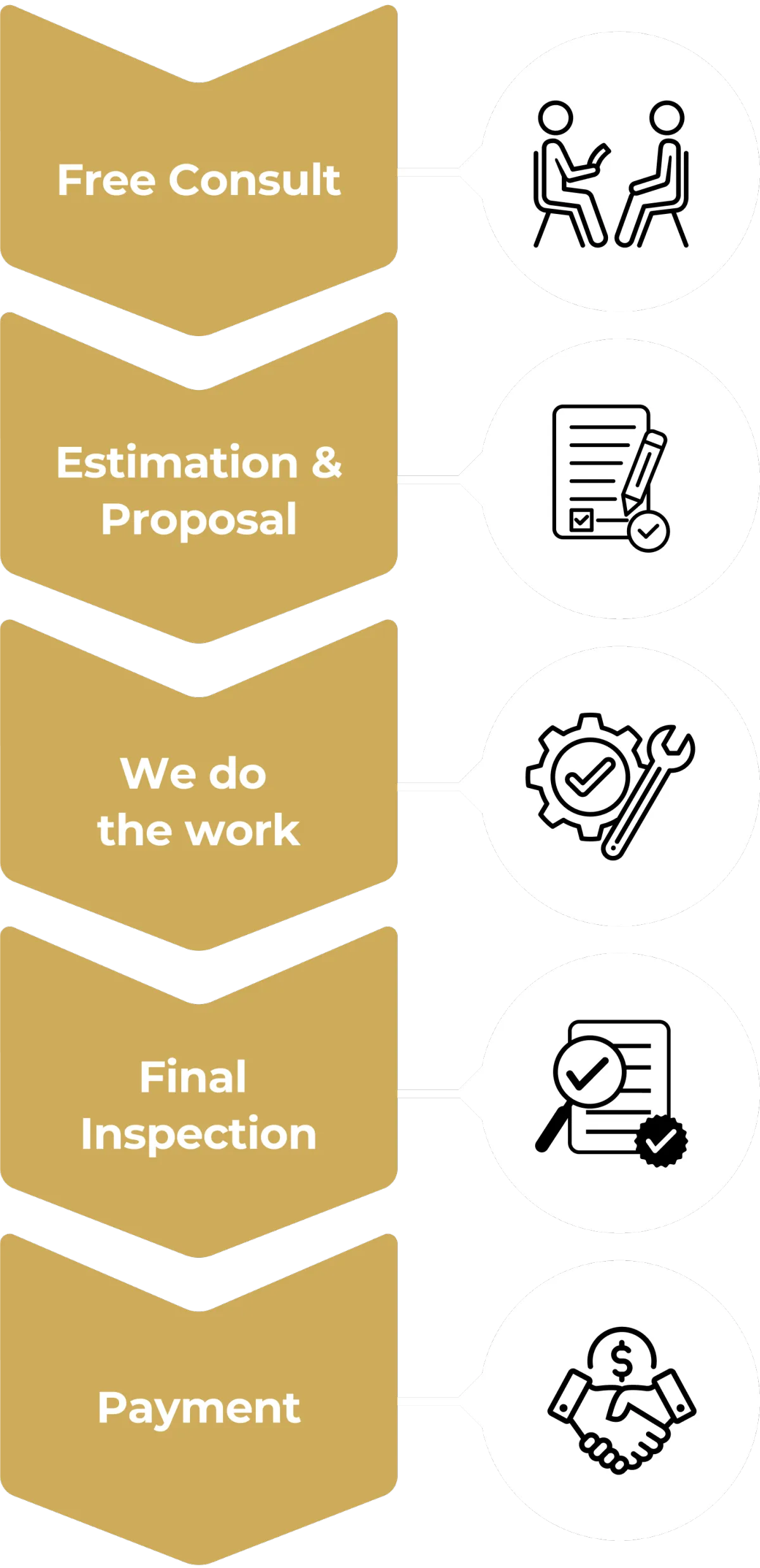
our process
Our process is simple and only contains a few simple steps

proudly serving these areas
Northern NSW
Gold Coast
Ipswich
Brisbane
Logan
READY TO take the next step?
get a free quote TODAY!