
BLOG
What to Check Before Installing Soundproof Insulation at Home
Identify Whether the Noise Is Airborne or Impact Noise
The first step is understanding the type of noise affecting the property. Airborne noise travels through the air and includes sounds such as voices, televisions, traffic, and music. Impact noise travels through solid building materials and includes footsteps, dropped objects, and vibrations from movement on upper floors.
Bulk insulation installed inside wall cavities and ceilings is generally more effective at reducing airborne noise. Impact noise often requires additional treatments such as acoustic underlay, resilient mounting systems, or flooring modifications.
In many two-storey homes, occupants notice a combination of both. Ceiling insulation may reduce voices and general room noise from upper levels, while floor construction still transfers footstep vibration through timber framing.
Wall Construction Changes Acoustic Performance
Not all wall systems respond the same way to soundproof insulation. Lightweight internal plasterboard walls commonly used in modern homes allow more sound transfer than masonry walls or double stud systems.
Timber framed walls with empty cavities tend to amplify sound movement because the cavity acts as an open chamber. Installing acoustic insulation batts inside these cavities helps absorb airborne noise before it passes through to adjacent rooms.
Shared walls in duplexes and townhouses require particular attention because sound can travel through framing connections, ceiling cavities, and roof spaces even when insulation is present inside the wall itself.
Hard surfaces inside the home also affect acoustics. Large tiled areas, polished concrete floors, and open plan living spaces often increase sound reflection compared with carpeted or furnished rooms.
Ceiling Cavities Can Carry Noise Between Rooms
Ceiling spaces often allow sound to travel further than expected, particularly in homes with open roof cavities above multiple rooms. Noise entering the ceiling space can move horizontally across the cavity before transferring into other areas of the home.
This becomes common in double-storey homes where ceiling cavities sit between levels or where ducted air conditioning systems pass through shared ceiling spaces.
Acoustic insulation installed between ceiling joists can help reduce airborne sound movement, although recessed lighting, duct penetrations, and ceiling vents may still allow noise leakage if not properly sealed.
Older homes with timber flooring systems can also transmit vibration through the ceiling framing itself, making impact noise harder to control using insulation alone.
Windows, Doors, and Gaps Affect Overall Results
Installing acoustic insulation inside walls may only provide limited improvement if sound continues entering through unsealed gaps elsewhere in the building.
Common sound leakage points include:
Sliding windows with poor seals
Hollow internal doors
Gaps beneath doors
Exhaust fan penetrations
Unsealed wall cavities around plumbing
Air conditioning penetrations
Traffic noise in Brisbane and Logan suburbs is often affected more by window glazing and external openings than by wall insulation itself. In homes near major roads, improving sealing around windows and doors may noticeably reduce external noise levels.
Ceiling cavities connected to roof ventilation openings can also allow outdoor noise to enter the structure, particularly during storms or windy weather.
DISCOVER WHAT OUR CUSTOMERS HAVE TO SAY ABOUT US
REVIEWS
REVIEW US ON GOOGLE
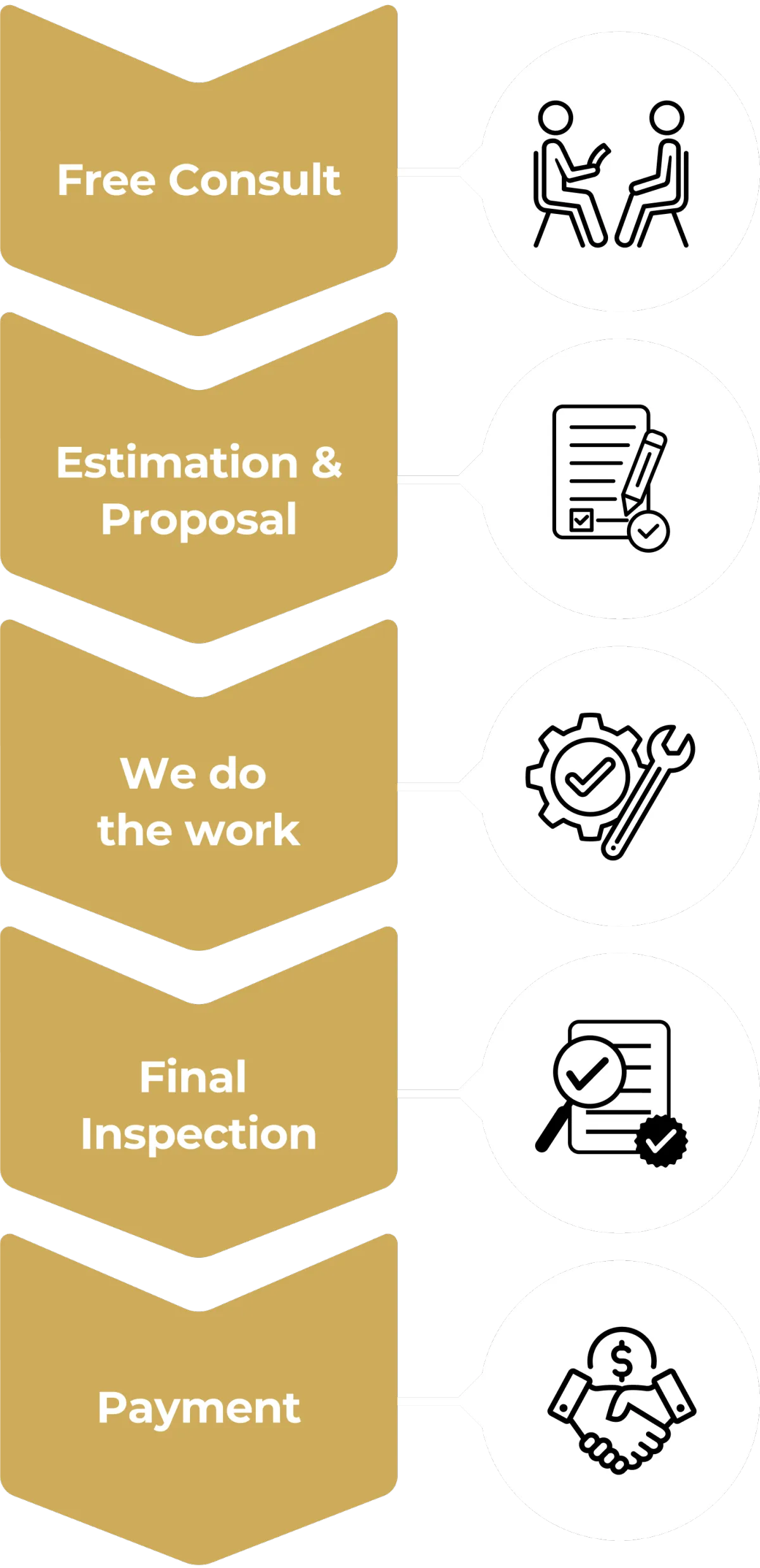
our process
Our process is simple and only contains a few simple steps

proudly serving these areas
Northern NSW
Gold Coast
Ipswich
Brisbane
Logan
READY TO take the next step?
get a free quote TODAY!